Fossil oysters beneath the roots
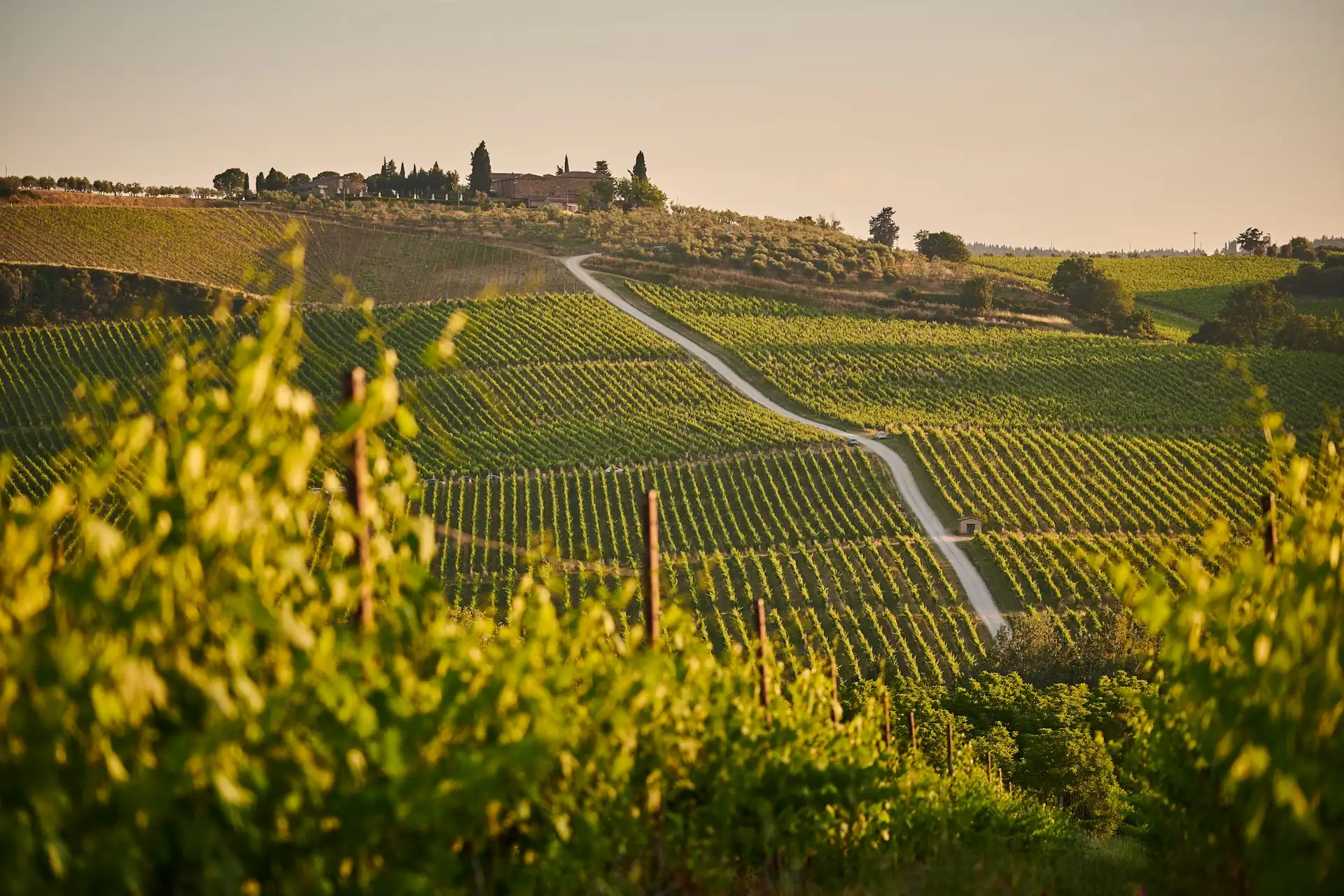
Around one hundred and fifty million years ago, the region lay under a warm, shallow sea. As it withdrew it left a deposit of grey marl studded with the shells of a small oyster, Exogyra virgula.
Geologists call this bed the Kimmeridgian. It outcrops on the slopes around Chablis, and it is what gives the wine that saline tension and that impression of wet stone found from one estate to the next, whatever the grower’s methods.
Above it, on the plateaux, another layer — the Portlandian — carries the Petit Chablis. Harder and more recent, it produces more direct, brighter wines. The entire hierarchy of the vineyard rests on that difference of a few metres in altitude.
One grape, Chardonnay, on two neighbouring soils: the most legible laboratory in the whole of Burgundy.
The four appellations, in order
Petit Chablis
On the plateaux, above the slopes. The word « petit » refers to the place, not the quality. These bright, honest wines are drunk within their first couple of years. Often the best value in the vineyard, and the wine growers open among themselves at midday.
Chablis
The largest of the four, on the Kimmeridgian slopes. This is the entry point to the style: white flowers and struck flint on the nose, a taut palate, a saline finish that calls for the next mouthful. Drink within two to five years, sometimes longer.
Chablis Premier Cru
Some forty named climats across both banks of the Serein. Montmains, Fourchaume, Montée de Tonnerre, Vaillons: each has its own character according to exposure and gradient. These genuinely repay five to ten years of patience.
Chablis Grand Cru
Seven climats on a single slope on the right bank: Blanchot, Bougros, Les Clos, Grenouilles, Preuses, Valmur, Vaudésir. South-west exposure, steep gradient, deep soil. These wines ask for patience — five years at least — and unfold over fifteen or so.
Six rules for a good welcome
- Make an appointment. Even where a sign says « tasting ». A call the day before changes the welcome entirely.
- Three estates a day, at most. Beyond that the palate saturates and you will tell nothing apart.
- Taste in ascending order. Petit Chablis, Chablis, Premier Cru, Grand Cru. The reverse flattens everything.
- Use the spittoon. Nobody will take it badly — quite the opposite.
- Ask about the climats. It is the subject growers care about, and the one that will teach you most.
- Buy something. Not necessarily a lot, but buy: the tasting is a courtesy, not an attraction.
Staying in the village means you can walk home: see our wine lovers’ stay.
What Chablis really likes
Oysters, obviously
The pairing is almost a geological fact: the soil is made of fossil oyster shells. A young Petit Chablis or village Chablis, very cold, and nothing else.
Gougères
The Burgundian speciality: little cheese choux served warm with an aperitif. You will find them at the bakers in Chablis, and they are the local pairing by definition.
Cheese from the Yonne
Soumaintrain and époisses call for a Premier Cru with a little age, whose substance can stand up to a washed-rind cheese.
Chicken in cream sauce
A Premier Cru of a few years, whose tension cuts through the sauce without flattening it. The classic pairing of Burgundian tables.
River fish
Pike-perch or trout from the Serein, simply grilled. Village Chablis does exactly what is required.
Chablis andouillette
An unapologetic local speciality that divides as much as it delights. Those who try it remember it, which is already an achievement.
Frequently asked questions
Does Chablis age well?
Is there red wine in Chablis?
Can the vines be visited freely?
Where can you buy wine in Chablis?
Sleep among the four appellations
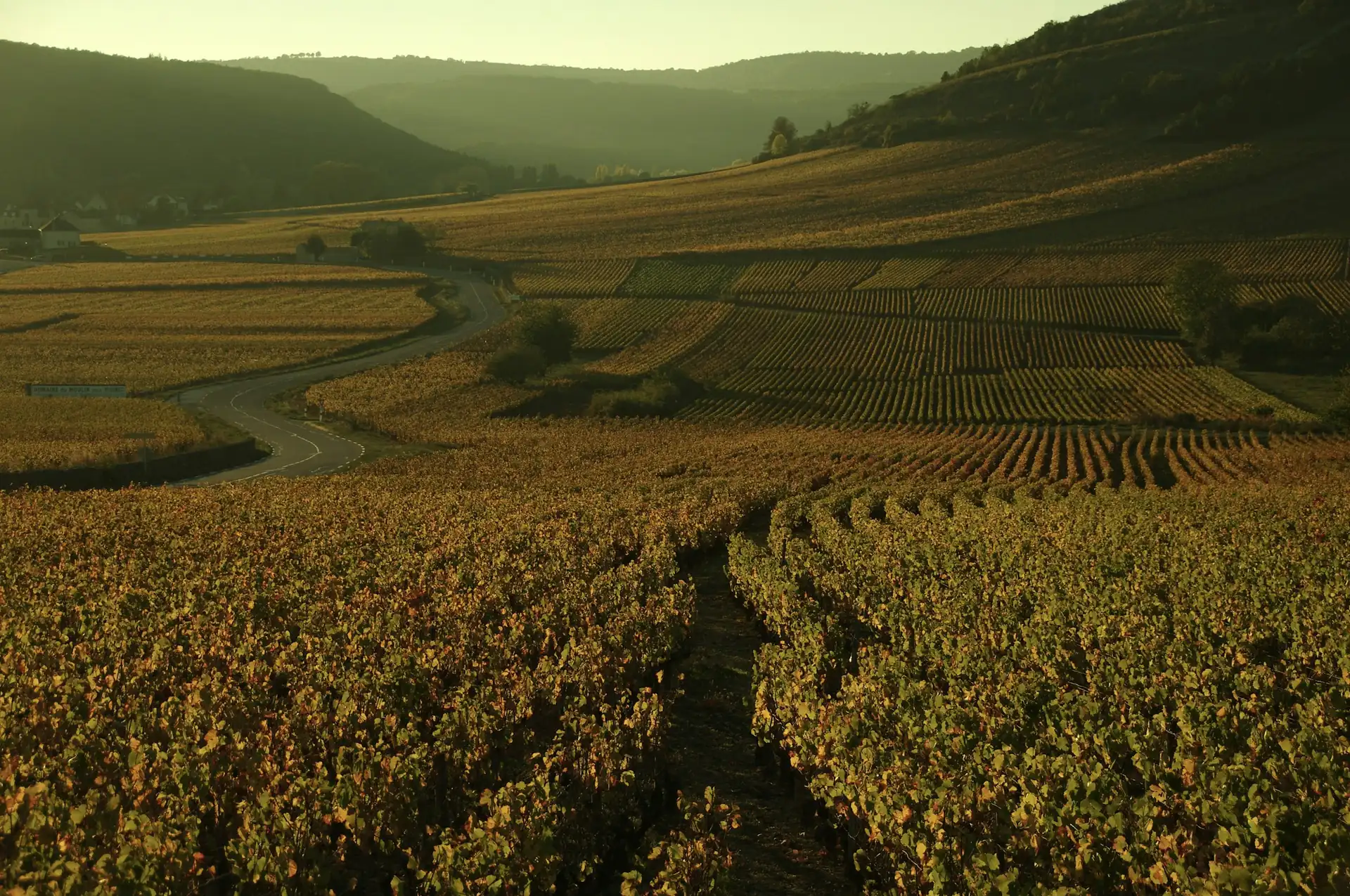
The house is in Chablis itself: the cellars are within walking distance and the Grands Crus are visible from the village.