· Vineyard
· 5 min read · Vineyard
A visitor pushing open a cellar door in Chablis for the first time is faced with four wines from the same grape, made by the same person in the same building — and sold at wildly different prices. The difference is real, and it can be explained.
It starts with a vanished sea
Around one hundred and fifty million years ago the region lay beneath a warm, shallow sea. As it withdrew it left a deposit of grey marl studded with the shells of a small fossil oyster, Exogyra virgula.
Geologists call this stage the Kimmeridgian. It outcrops on the slopes around Chablis, and it gives the wine its recognisable saline tension. Above it, on the plateaux, a more recent and harder layer — the Portlandian — produces wines of a different profile.
The whole hierarchy of the vineyard rests on that difference of a few metres in altitude.
Petit Chablis: the word « petit » refers to the place
Planted on the Portlandian plateaux above the slopes, Petit Chablis is not a failed Chablis. It is a bright, direct, straightforward wine, drunk within its first two years.
It is also very often the best value in the vineyard, and the wine growers open among themselves at midday. As an aperitif or with shellfish, it does exactly what is asked of it.
Chablis: the heart of the appellation
The largest of the four, on the Kimmeridgian slopes around the village and across some twenty communes. This is where the style is defined: white flowers and struck flint on the nose, a taut palate, a saline finish that calls for the next sip.
Drink within two to five years, sometimes longer from growers who work for the long haul.
Premier Cru: the climats come into play
Some forty named climats spread across both banks of the Serein. Montmains, Fourchaume, Montée de Tonnerre, Vaillons: each has its own exposure, gradient and personality.
This is the level at which tasting becomes genuinely interesting: trying the same climat at two neighbouring growers, then two different climats at the same grower, teaches in an hour what no book conveys. These wines repay five to ten years of waiting.
Grand Cru: seven climats, one slope
Blanchot, Bougros, Les Clos, Grenouilles, Preuses, Valmur, Vaudésir. Seven names, gathered on a single south-west facing slope on the right bank of the Serein — visible from the village, and therefore from the house.
Optimal exposure, deep soil, a steep gradient: these wines demand patience. Five years at the very least, and they unfold over fifteen or so, gaining a dimension the other appellations do not reach.
The advice that holds for the whole stay
Always taste in ascending order: Petit Chablis, Chablis, Premier Cru, Grand Cru. The reverse flattens the palate and will make the Petit Chablis seem thin, which it is not.
And take home Petit Chablis and village Chablis from the growers whose Grands Crus you enjoyed. Those are the bottles you will actually drink once you are home — the Grands Crus you will forget at the back of the cellar, which is in any case the best thing you can do for them.
Our full vineyard guide sets out the rules worth knowing before you enter a cellar, and our wine lovers’ stay explains how to organise three days of tasting without getting back in the car.

Come and see for yourself
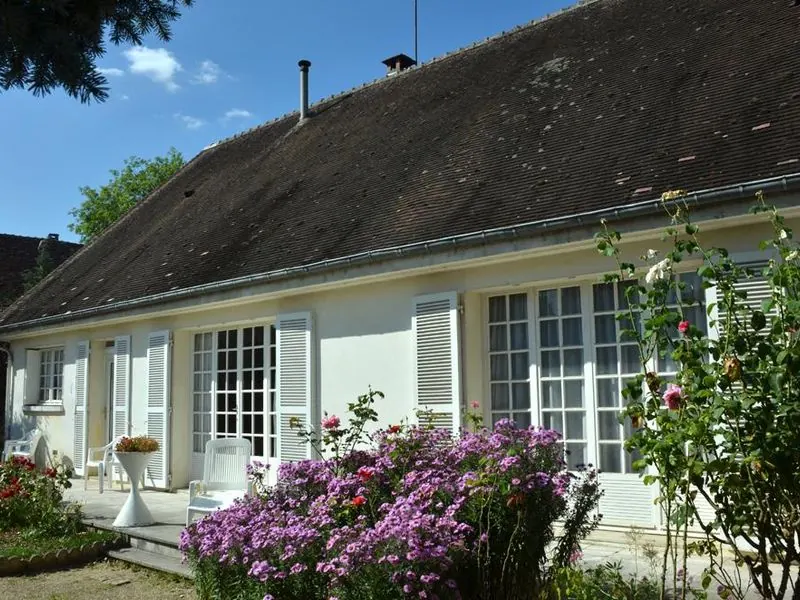
The house is open all year. Send us your dates and we will reply quickly.


